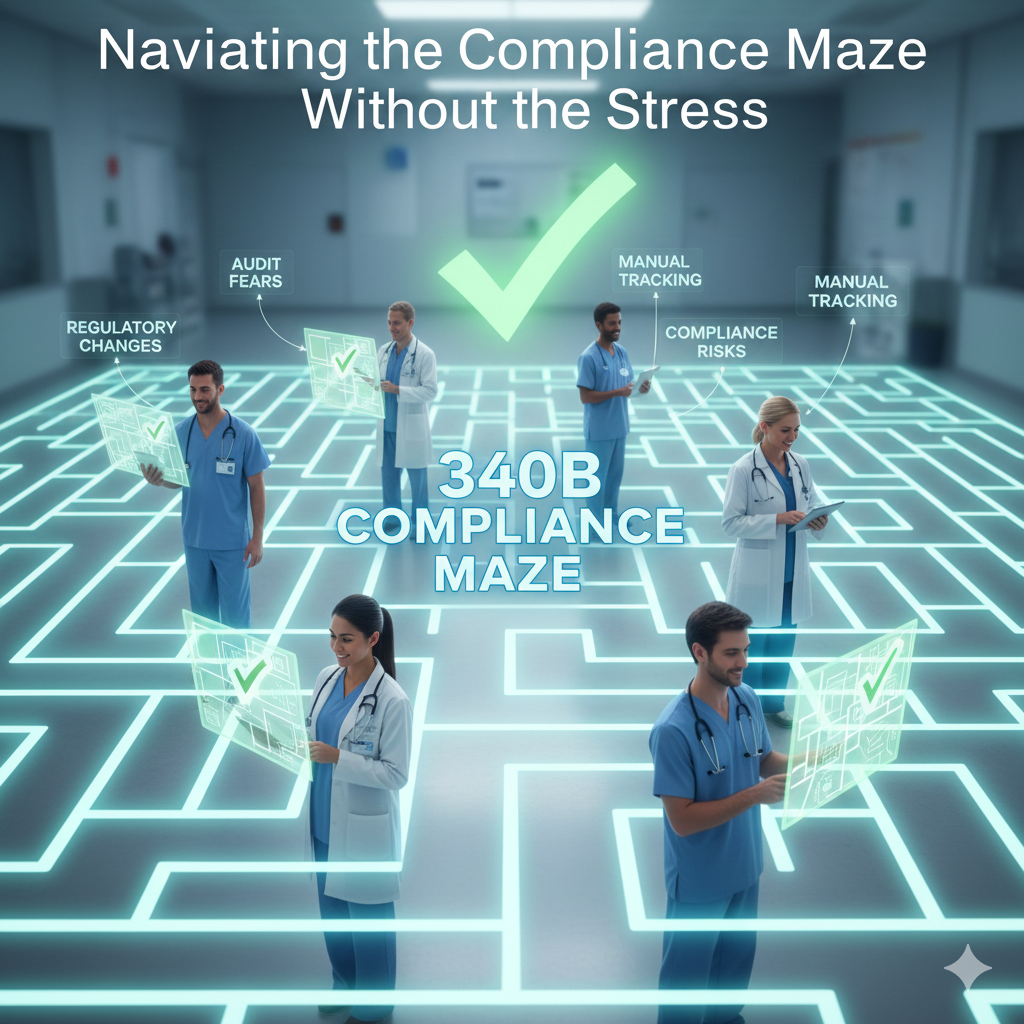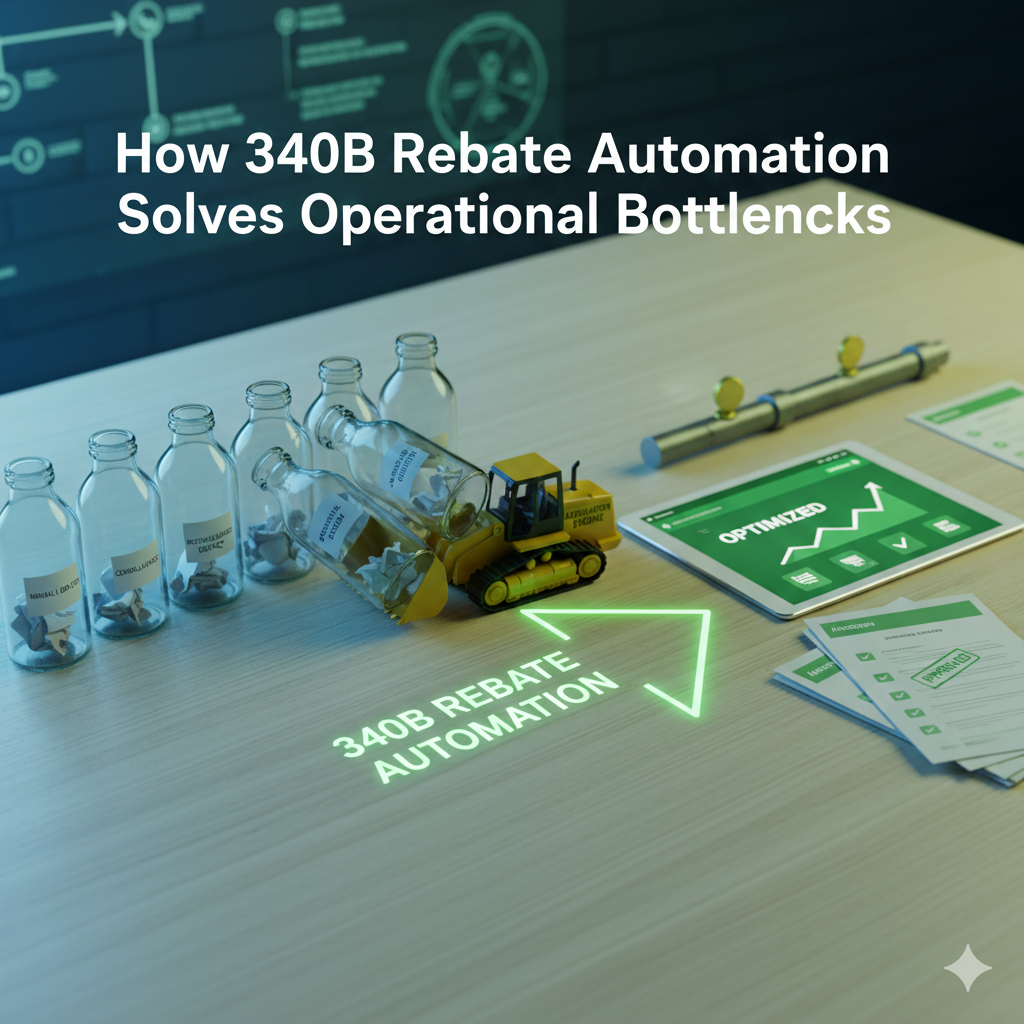

In the 2026 fiscal year, the Trump administration proposed a significant shift in 340B program oversight from the Health Resources & Services Administration (HRSA) to the Centers for Medicare & Medicaid Services (CMS). This strategic transition will create more stringent requirements for 340B covered entities to manage their program with extra operational efforts.
According to HRSA, ~27% to 33% of finalized FY 2025 audits had at least one violation finding. This demonstrates the importance of understanding common 340B program mistakes to avoid its termination.
In this blog, we’ll ponder over 5 critical 340B program challenges and their end-to-end solutions.
Duplicate Discount
One of the prominent 340B compliance risks initiates when Medicaid-enrolled patients receive a 340B discount on the same drug, known as a duplicate discount. The primary triggers behind this slip-up are the failure to perform Poor Medicaid Exclusion File (MEF) checks, policy or procedural updates, and manual tracking of entire workflows. Due to these regulatory gaps, covered entities not only need to repay manufacturers but also face 340B program cancellation.
Errors
As HRSA regulations progress, numerous healthcare providers have been participating in the 340B program. Resultantly, the amount of patients’ data is increasing drastically. However, healthcare data records are still managed through manual processes that lead to 340B compliance issues, including inaccurate OPAIS records, patient mismatches, and poor drug tracking. If you’re enrolled in the 340B program and these loopholes are found in your 340B management system, you’re heading toward major 340B violations.
Contract Pharmacy Oversight
Many covered entities prefer to choose contract pharmacies to dispense 340B drugs. Undoubtedly, this practice lightens the burden on CEs, but as the network of contract pharmacies expands, it initiates 340B claims errors because covered entities significantly neglect comprehensive internal auditing programs to monitor their 340B operations. Ultimately, if you are brushing off pharmacy arrangements and claims data, you’re vulnerable to 340B contract pharmacy compliance. To pass the HRSA audit and remain 340B compliant, covered entities must tackle contract pharmacies intelligently.
Unclear Patient Eligibility
Fragmented care coordination between covered entities and patients is a catalyst behind ineffective 340B risk management. According to research, 82% of diversion findings involved prescriptions from ineligible sites or providers in the year 2024. This validates that covered entities must clearly determine patient eligibility before dispensing 340B drugs to patients to avoid 340B program termination.
Poor Maintenance
HRSA audit can arrive anytime with updated requirements. This indicates that covered entities that utilize outdated records and practices fail to pass compliance checks and face audit findings. Additionally, relying on untrained resources who are unaware of constantly changing 340B policies and procedures puts CEs at 340B compliance risk.
Final Thoughts
The complexities of 340B compliance require proactive measures and continuous monitoring, as the 340B ecosystem is not static. By addressing these common pitfalls, covered entities can strengthen their 340B programs and amplify savings.
Implementing intelligent systems, establishing extensive internal controls, training staff regularly, and conducting periodic self-audits can ensure 340B compliance that shields against violations and simultaneously expands access to care for vulnerable patient populations.
Ready to bring clarity to your 340B program?
Whether you’re preparing for ESP/Beacon requirements, validating data quality, or reducing compliance risk, we help you move forward with confidence—without forcing you into a new platform.