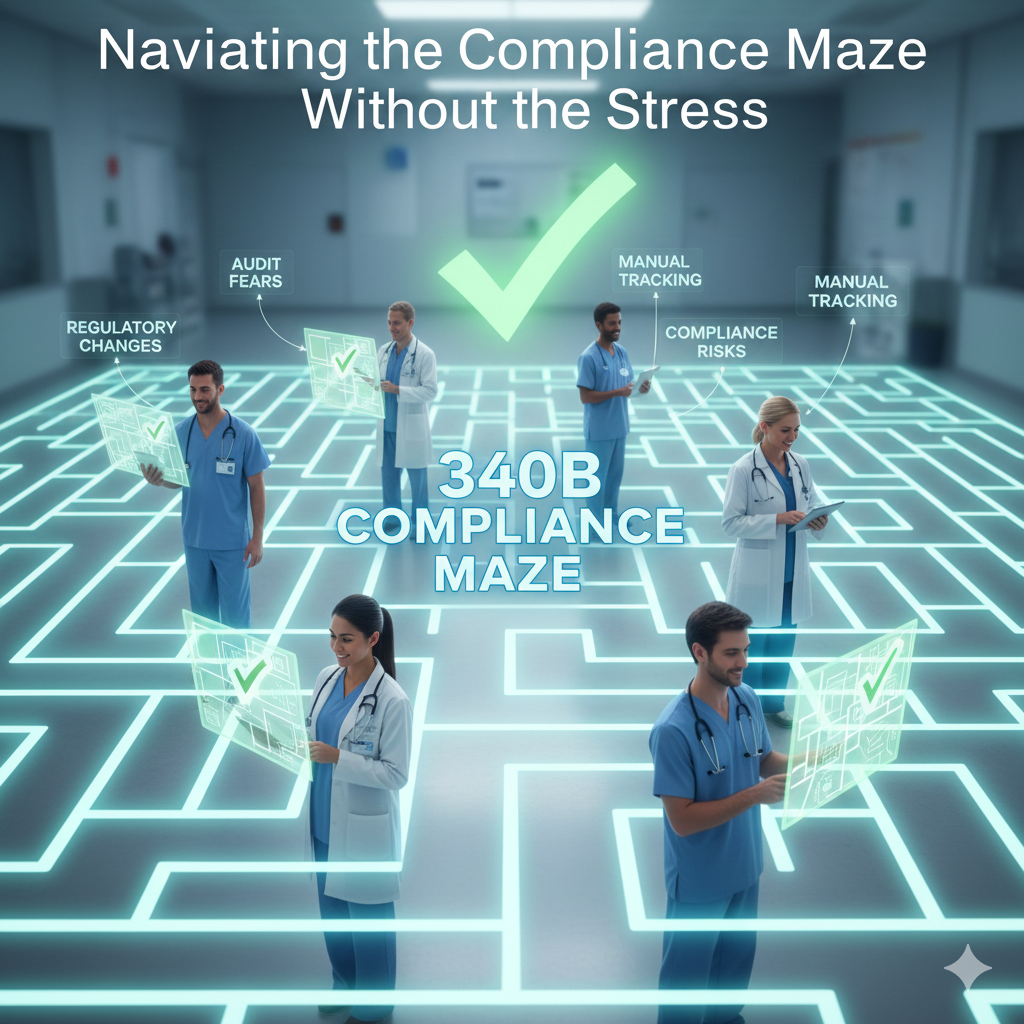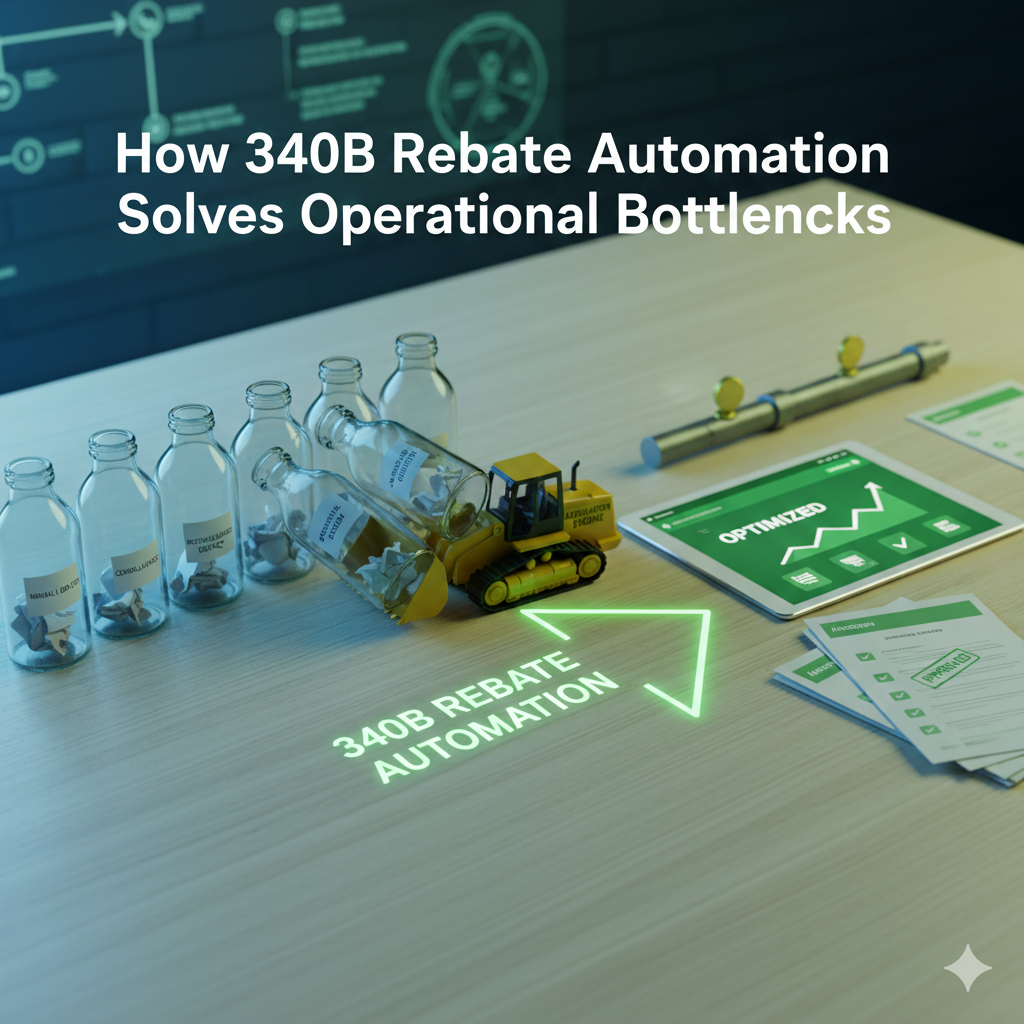
The 340B Program has been a critical resource for healthcare organizations, allowing them to provide affordable medications to low-income and uninsured individuals. However, as healthcare regulations continue to evolve, ensuring compliance with the 340B Program has become more challenging.
In 2026, healthcare organizations face a complex regulatory environment that requires them to stay vigilant to avoid errors, audits, and potential revenue loss. Many companies offer comprehensive 340B compliance services that can help organizations navigate the changing landscape. In this blog, we will explore why 340B compliance services are more important than ever and how they can help organizations navigate the changing landscape.
What Is the 340B Program?
The 340B Program, established under the Public Health Service Act, is designed to help eligible healthcare providers purchase medications at discounted prices from pharmaceutical manufacturers. The program aims to enable healthcare organizations, particularly those serving low-income and uninsured populations, to reduce medication costs.
Organizations eligible for the 340B Program include Federally Qualified Health Centers (FQHCs), children’s hospitals, rural health clinics, and community health centers. These organizations benefit from the discounts provided by the program, which are meant to help improve access to necessary medications for vulnerable patients.
While the program offers significant financial benefits, it also comes with a set of regulatory requirements. To remain eligible for the program, healthcare organizations must adhere to strict guidelines, and failure to comply can lead to audits, financial penalties, or even disqualification from the program. As the 340B Program has grown in importance and complexity, ensuring compliance has become a critical task for healthcare providers, which is why 340B compliance services are essential.
Why 340B Compliance Services Are Critical in 2026
The need for 340B compliance services is more pressing than ever in 2026 due to the growing complexity of healthcare regulations and the increasing focus on compliance by regulatory authorities. There are several reasons why these services are crucial in today’s healthcare environment.
Increased Complexity of Regulations
As the healthcare system becomes more complex, so do the regulations governing the 340B Program. New rules and guidelines are continually introduced, and keeping up with them requires dedicated expertise. In 2026, healthcare organizations must adapt to new regulatory changes, such as adjustments to drug pricing and modifications to the eligibility criteria for covered entities.
These frequent changes make it difficult for organizations to ensure they are always in compliance. Without expert assistance, healthcare providers risk making costly errors that could lead to audits, penalties, or loss of eligibility. 340B compliance services help organizations stay up-to-date with the latest regulations and ensure they remain compliant with all aspects of the program.
Increased Scrutiny and Audits
Another significant factor driving the need for 340B compliance services is the increased scrutiny on the program. The government and pharmaceutical manufacturers are closely monitoring the 340B Program to ensure that it is being administered properly. As a result, healthcare organizations are more likely to face audits to assess their compliance with the program’s requirements.
Audits can be time-consuming, costly, and damaging to an organization’s reputation. Therefore, proactive audit prevention is essential. 340B compliance services help organizations implement practices that reduce the risk of audits, such as accurate record-keeping, timely reporting, and ensuring that only eligible patients receive 340B-discounted medications.
Revenue Loss Prevention
Revenue loss is a major risk for healthcare organizations that do not maintain proper 340B compliance. Incorrect data, data mismatches across systems, and failure to submit claims within the required 45-day window often lead to missed or denied claims, resulting in permanent revenue loss.
In many cases, eligible 340B transactions are lost because claims are submitted late, documentation is incomplete, or billing data does not align with eligibility records. Once the 45-day submission period passes, those claims can no longer be recovered, directly impacting organizational revenue.
340B compliance services help prevent these losses by ensuring data accuracy, timely claim submission, and proper documentation for every eligible transaction. By identifying incorrect data early and enforcing submission timelines, these services reduce claim errors, prevent missed savings opportunities, and protect revenue.
As financial pressure increases in 2026, maintaining accurate data and submitting claims on time is essential. Proactive 340B compliance is a critical safeguard against avoidable revenue loss.
How 340B Compliance Services Help Prevent Errors
Errors in 340B compliance can lead to significant financial penalties and even loss of program eligibility. Some common errors include incorrect patient eligibility determinations, inaccurate drug claims, and improper inventory management. These mistakes are often the result of manual processes, lack of training, or failure to follow proper procedures.
340B compliance services are designed to address these errors by providing healthcare organizations with the tools and expertise needed to streamline their operations. These services typically include:
- Automated Claims Validation: Compliance services help ensure that claims are automatically validated, reducing the chances of human error in the billing process.
- Eligibility Tracking: With robust patient tracking systems, compliance services help organizations determine and verify patient eligibility, ensuring that only eligible individuals receive 340B-discounted medications.
- Real-Time Monitoring: Continuous monitoring of transactions and inventory helps identify any discrepancies or potential errors before they become significant issues.
By implementing these solutions, healthcare organizations can significantly reduce the risk of errors and maintain compliance with the 340B Program.
What Are the Key Risks of Non-Compliance?
Non-compliance with the 340B Program can have severe consequences. The risks associated with failing to comply include:
Loss of Eligibility
One of the most significant risks of non-compliance is the potential loss of eligibility for the 340B Program. If a healthcare organization is found to be in violation of 340B regulations, they could lose their right to purchase medications at discounted prices. This could lead to increased costs for both the organization and its patients.
Penalties and Fines
In addition to losing eligibility, non-compliance can result in financial penalties. These fines can vary depending on the nature and severity of the violation. For example, submitting false claims or failing to maintain accurate records can result in hefty fines and penalties.
Reputational Damage
Beyond the financial and operational consequences, non-compliance can also damage an organization’s reputation. Healthcare organizations rely on the trust of their patients, regulators, and the public, and failing to comply with the 340B Program can erode that trust.
How Do 340B Compliance Services Prevent Audits?
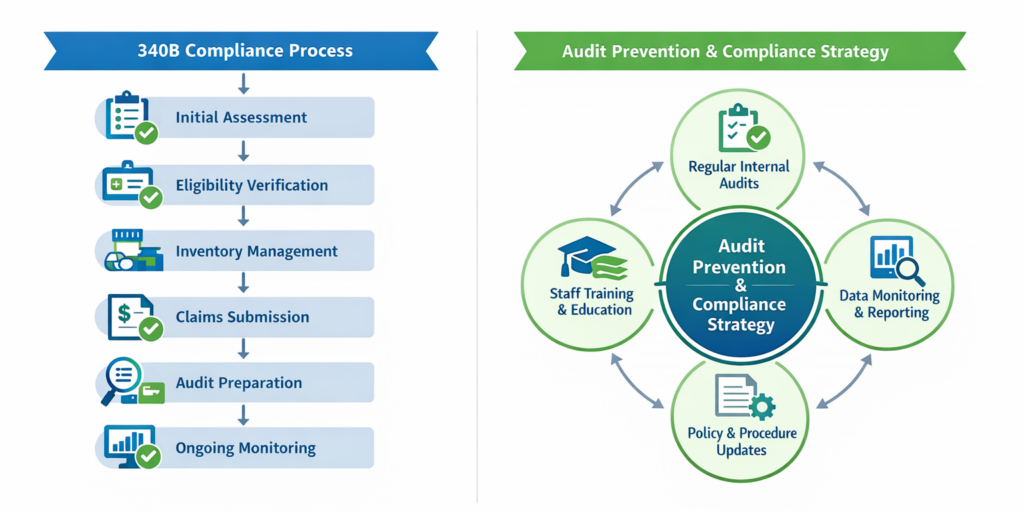
Audits are a significant concern for organizations participating in the 340B Program. They are time-consuming, costly, and can result in penalties or the loss of eligibility. The best way to prevent audits is to ensure that all activities related to the program are compliant with the regulations.
340B compliance services help organizations prevent audits in several ways:
- Proper Documentation: By ensuring that all transactions and patient eligibility are properly documented, compliance services reduce the chances of discrepancies that could trigger an audit.
- Routine Internal Audits: Many compliance services conduct regular internal audits to ensure that the organization’s practices align with 340B regulations. These audits help identify any potential issues before external auditors can uncover them.
- Automated Systems: By using automated systems to track patient eligibility and drug purchases, compliance services help maintain a high level of accuracy and consistency, which is essential for audit prevention.
By working with 340B compliance experts, healthcare organizations can greatly reduce the likelihood of facing an audit.
How 340B Compliance Services Help Prevent Revenue Loss
Revenue loss is a significant risk for healthcare organizations that fail to comply with the 340B Program. Missed claims, incorrect pricing, and improper documentation can all contribute to lost revenue.
340B compliance services help organizations prevent revenue loss by ensuring that all claims are submitted accurately and in a timely manner. Some of the ways these services help include:
- Optimizing Claims: Compliance services ensure that all eligible transactions are captured and billed correctly, ensuring that organizations don’t leave money on the table.
- Ensuring Accurate Pricing: Compliance services help organizations ensure that they are billing for medications at the correct 340B prices, avoiding overcharges or undercharges.
- Improving Inventory Management: By accurately tracking inventory and usage, compliance services help prevent inventory discrepancies that could lead to financial losses.
By working with 340B compliance services, healthcare organizations can optimize their revenue and minimize the risk of financial loss.
340B Compliance Strategies for Healthcare Organizations
Effective 340B compliance strategies are essential for healthcare organizations to remain compliant and maximize the benefits of the program. Here are some key strategies:
- Regular Internal Audits: Conducting internal audits on a regular basis ensures that all activities related to the 340B Program are compliant with the regulations.
- Utilizing Third-Party Administrators (TPA): Third-party administrators are experts in managing 340B compliance and can help organizations navigate the complex regulatory environment.
- Automated Systems: Using automated systems for tracking drug purchases, patient eligibility, and claims ensures accuracy and consistency in compliance.
- Ongoing Training: Healthcare staff must be regularly trained on the latest 340B regulations to ensure they are aware of compliance requirements.
By implementing these strategies, healthcare organizations can ensure that they maintain compliance with the 340B Program and avoid potential risks.
Benefits of 340B Compliance Services
There are several benefits of using 340B compliance services, including:
- Reduced Risk of Audits: By maintaining accurate records and ensuring that all activities are compliant, healthcare organizations reduce the likelihood of audits.
- Increased Revenue: Accurate claims submission and proper inventory management help healthcare organizations optimize their revenue from the 340B Program.
- Improved Operational Efficiency: By automating many of the compliance tasks, organizations can improve their overall efficiency and reduce administrative costs.
- Better Patient Care: Ensuring compliance with the 340B Program helps healthcare organizations provide medications at discounted prices to vulnerable patients, improving access to care.
Challenges in 340B Compliance
Despite the benefits, maintaining 340B compliance can be challenging for many healthcare organizations. Some of the key challenges include:
- Complexity of Regulations: The 340B Program has many rules and guidelines that are subject to frequent changes, making it difficult for organizations to stay up-to-date.
- Limited Resources: Smaller healthcare organizations may not have the resources to dedicate to 340B compliance.
- Lack of Expertise: 340B compliance requires specialized knowledge, which not all organizations have in-house.
340B compliance services help organizations address these challenges by providing expertise and the necessary resources to remain compliant.
Real-World Examples of 340B Compliance in Action
Here are a few examples of healthcare organizations that have benefited from 340B compliance services:
- A large hospital network used 340B compliance services to optimize their claims process, resulting in a 15% increase in program savings.
- A community pharmacy implemented compliance services and improved its drug inventory tracking, leading to fewer errors and better financial management.
These real-world examples highlight the value of 340B compliance services in improving revenue and reducing errors.
Conclusion: Why 340B Compliance Services Are Essential
As the 340B Program continues to evolve in 2026, healthcare organizations must prioritize compliance to avoid costly errors, audits, and revenue loss. 340B compliance services provide the expertise, tools, and resources needed to ensure adherence to the program’s regulations. By adopting best practices and working with compliance experts, healthcare organizations can navigate the complexities of the 340B Program and ensure they continue to provide affordable medications to vulnerable populations.
FAQ Section
- What is the 340B compliance program?
- The 340B compliance program ensures healthcare organizations follow regulations for purchasing discounted drugs and serving underserved populations.
- Why is 340B compliance important?
- Compliance is crucial for maintaining eligibility, avoiding penalties, and ensuring that the organization maximizes savings from the 340B Program.
- How do 340B compliance services prevent audits?
- By maintaining accurate records, conducting regular audits, and ensuring compliance with all regulations, these services help reduce the likelihood of audits.
- What risks does a healthcare organization face if it doesn’t comply with 340B?
- Risks include loss of eligibility, financial penalties, reputational damage, and loss of revenue.
- How can 340B compliance services help optimize revenue?
- These services ensure that all eligible claims are submitted accurately and on time, which helps maximize revenue and minimize financial loss.